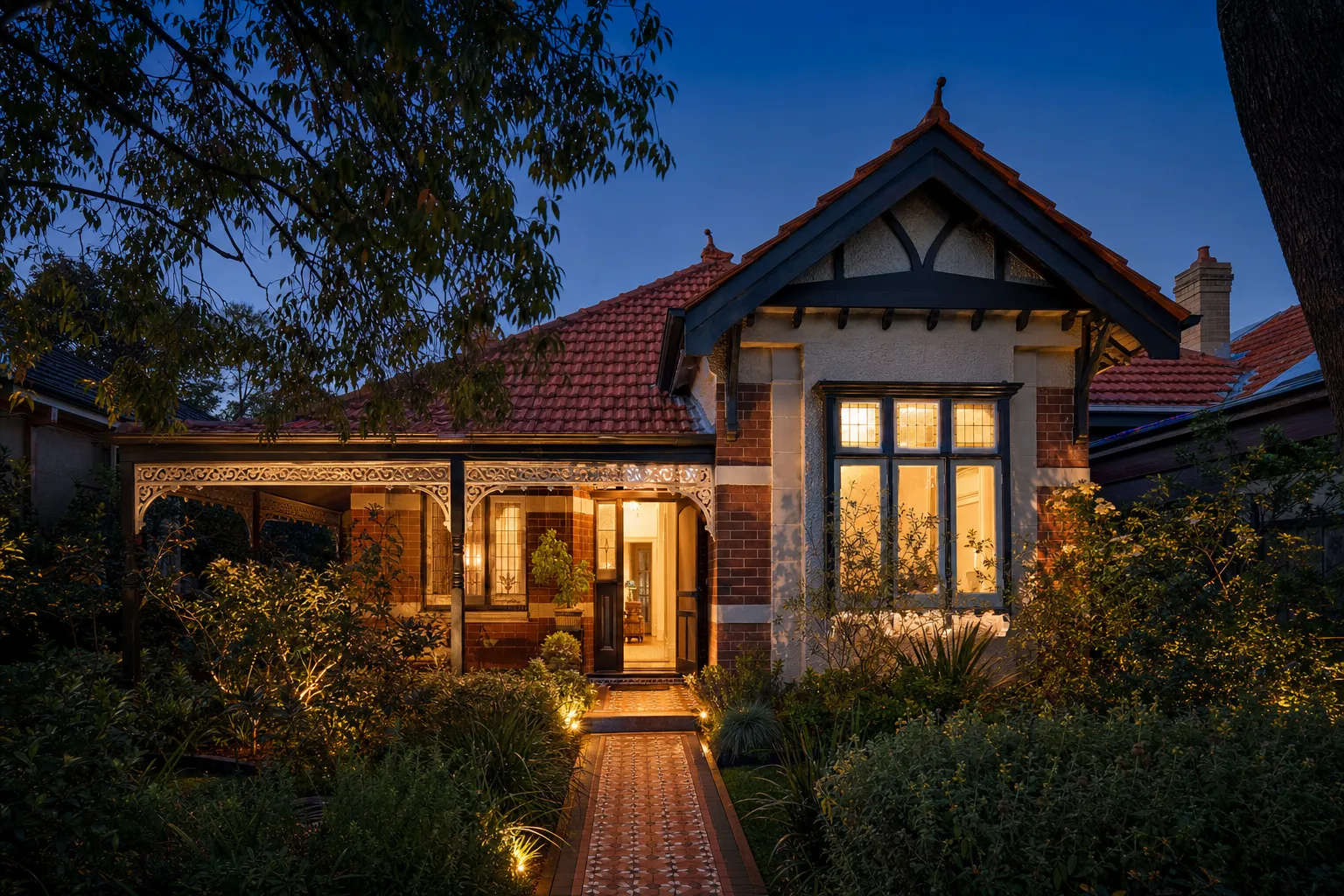
How do construction loans work in Australia?
A construction loan releases money in stages as your build progresses, instead of paying the full amount up front. The lender pays each stage only after work is finished and verified, and you pay interest only on the funds drawn so far. Most facilities run against a fixed-price building contract with a licensed builder.
What makes a construction loan different
That staged structure is the single thing that makes construction finance different from a normal property loan. A standard loan pays out in full at settlement; a construction loan releases funds across defined milestones as the build advances. The rest of this guide explains the stages, the numbers a lender looks at, and the things that most often hold a build up.
How the money actually moves
The flow is the same at every stage. Your builder finishes the work and issues a progress claim. You authorise it. The lender sends a valuer or quantity surveyor to confirm the work is done to the standard the claim describes. Once that sign-off lands, the lender pays the builder and adds that amount to your drawn balance.
This matters for two reasons. First, the lender pays the builder, not you, which protects everyone from funds being spent ahead of the work. Second, a stage will not be released until the prior stage is verified, so a dispute or a defect at one stage stalls the whole timetable. Keeping claims clean and the builder responsive is the practical key to a build that funds on time.
The numbers: LVR, loan size and cost
Construction loans in Australia work to two leverage limits, and the lender applies whichever one binds first: up to around 80% of total development cost (TDC), or up to around 65% of the on-completion value, whichever is lower. Loan sizes commonly run from $250,000 to $20m or more, and indicative pricing on senior construction debt sits at roughly 6.5% to 10% per annum, depending on the lender type, the builder and the LVR. These figures are indicative; the lender confirms the final position on application.
A worked example helps. On a build with a total development cost of $1m and an on-completion value of $1.3m, the TDC limit gives roughly $800,000 and the on-completion limit gives roughly $845,000. The lower of the two, $800,000, is what binds, so you would budget around $200,000 of your own equity into the project.
How long construction finance takes
For a clean file, indicative terms typically come back in 3 to 7 business days. From instruction to the first drawdown usually runs 4 to 8 weeks, depending on the lender, the documentation, and how quickly valuations and legals move. Complex cases run slower: a self-employed borrower, an unusual security, or a contract that needs reworking will all add time. A complete file with a fixed-price contract and a licensed builder is the fastest path through.
Key facts
- Funds release across five stages (base, frame, lock-up, fixing and completion), paid to the builder after each stage is verified
- You pay interest only on the balance drawn so far, so cost stays low early and grows as the build advances
- Leverage to around 80% of total development cost or around 65% of on-completion value, whichever binds first
| Facility | Indicative rate | LVR |
|---|---|---|
| Senior construction debt | ~6.5–10% p.a.* | ~80% TDC |
| On-completion limit | Indicative* | ~65% GRV |
Cost calculator
The five drawdown stages explained
A standard residential build draws down across five fixed stages. Each matches a defined point in the build, and the lender pays the builder directly once that point is reached and inspected. You pay interest only on the balance drawn so far, which is why a construction loan costs far less in its first months than a same-size term loan would.
Slab and footings are poured. This is usually the smallest draw.
The timber or steel frame is up and braced. Plumbing and wiring rough-in often happens here.
External walls, windows and the roof are on, so the building can be locked. Often the largest single draw.
Internal fit-out: plasterboard, cabinetry, doors, skirting and tiling.
Final finishes, the handover and a final inspection before the keys.
What a lender looks at before approving
Construction finance is assessed on more than your income and deposit. The build itself is part of the security, so the lender underwrites the project as well as the borrower.
The lender checks the builder's licence and track record. A weak or unlicensed builder is one of the most common reasons a construction loan stalls.
Lenders want a fixed-price building contract. An open-ended or cost-plus contract creates uncertainty about the final number, which credit teams price against or decline.
Most residential builds require it, and the lender will look for it before releasing funds.
A sensible cost contingency tells the lender the project can absorb an overrun without running out of money mid-build.
Who construction finance suits
This product fits a defined set of projects rather than every build.
Owner-builders working with a licensed builder.
Standard residential builds on an established title.
Compact multi-dwelling projects that sit under development finance scale.
Replacing an existing dwelling on a title you already hold.
If your project is a larger multi-unit scheme with land, presales and a sell-down window, that is development finance, a related but broader product. If you are buying a site before you build, that is land acquisition finance. Construction finance is specifically the money for the build itself.
Construction loan questions, answered plainly
What is the difference between a construction loan and a normal home loan? +
Do I pay interest on the whole loan during construction? +
What are progress payments on a construction loan? +
Why do lenders require a fixed-price building contract? +
What LVR can I get on a construction loan in Australia? +
Can owner-builders get construction finance? +
How long does it take to get a construction loan? +
Talk through your build with a specialist
Windsor Finance is a finance broker, not a lender. We take your build to a panel of bank and non-bank lenders, then package and place it with the one that fits on rate, leverage, speed and the builder you are working with. If you have a fixed-price contract or a feasibility in draft, a 15-minute call is the fastest way to see what is realistic. There is no charge to structure the deal and shortlist lenders, and every cost is disclosed in writing, up front, before you commit.